
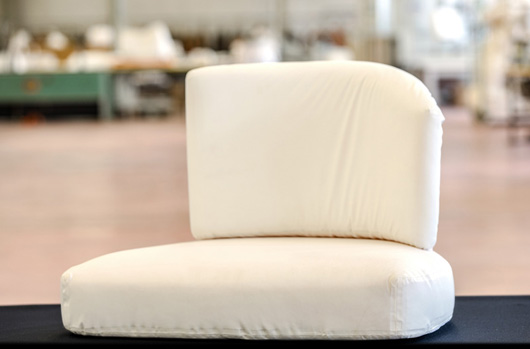
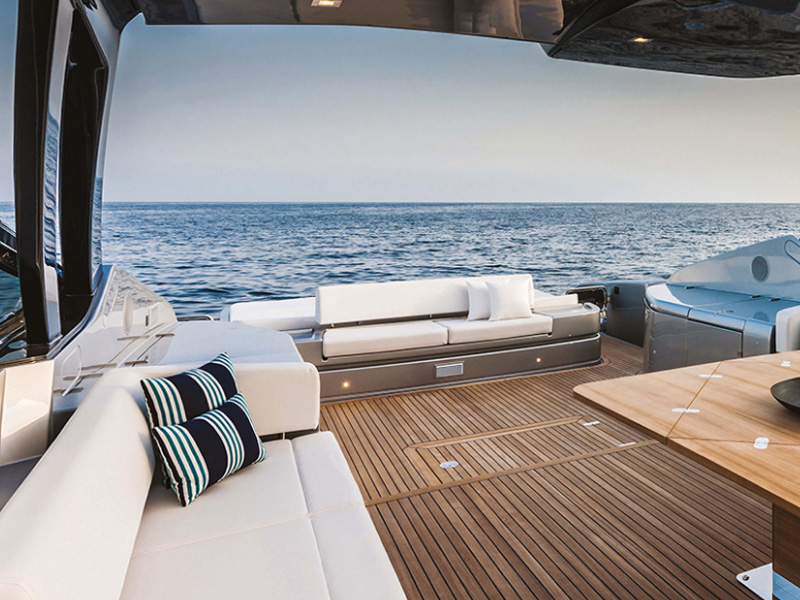
Filling
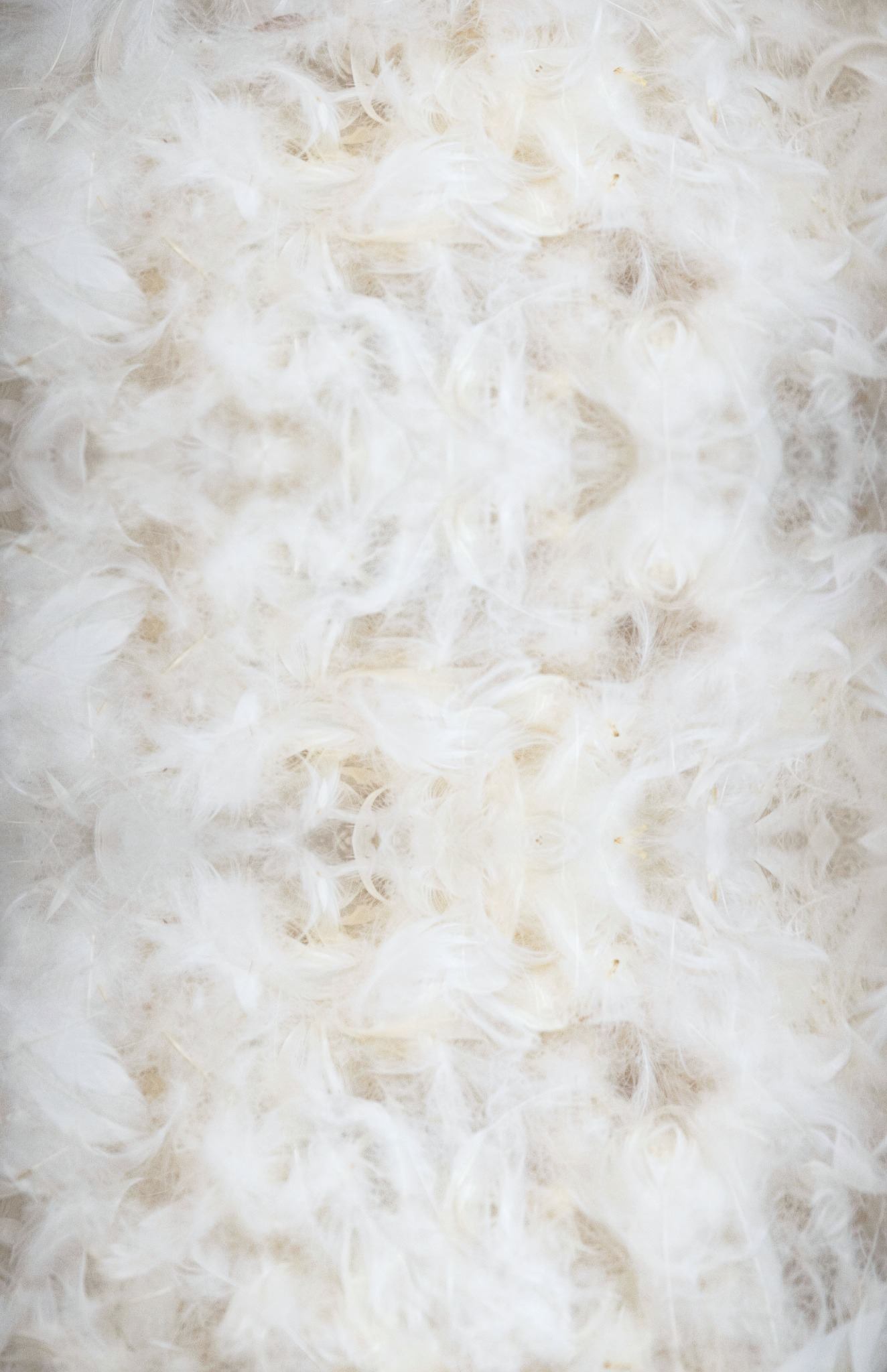
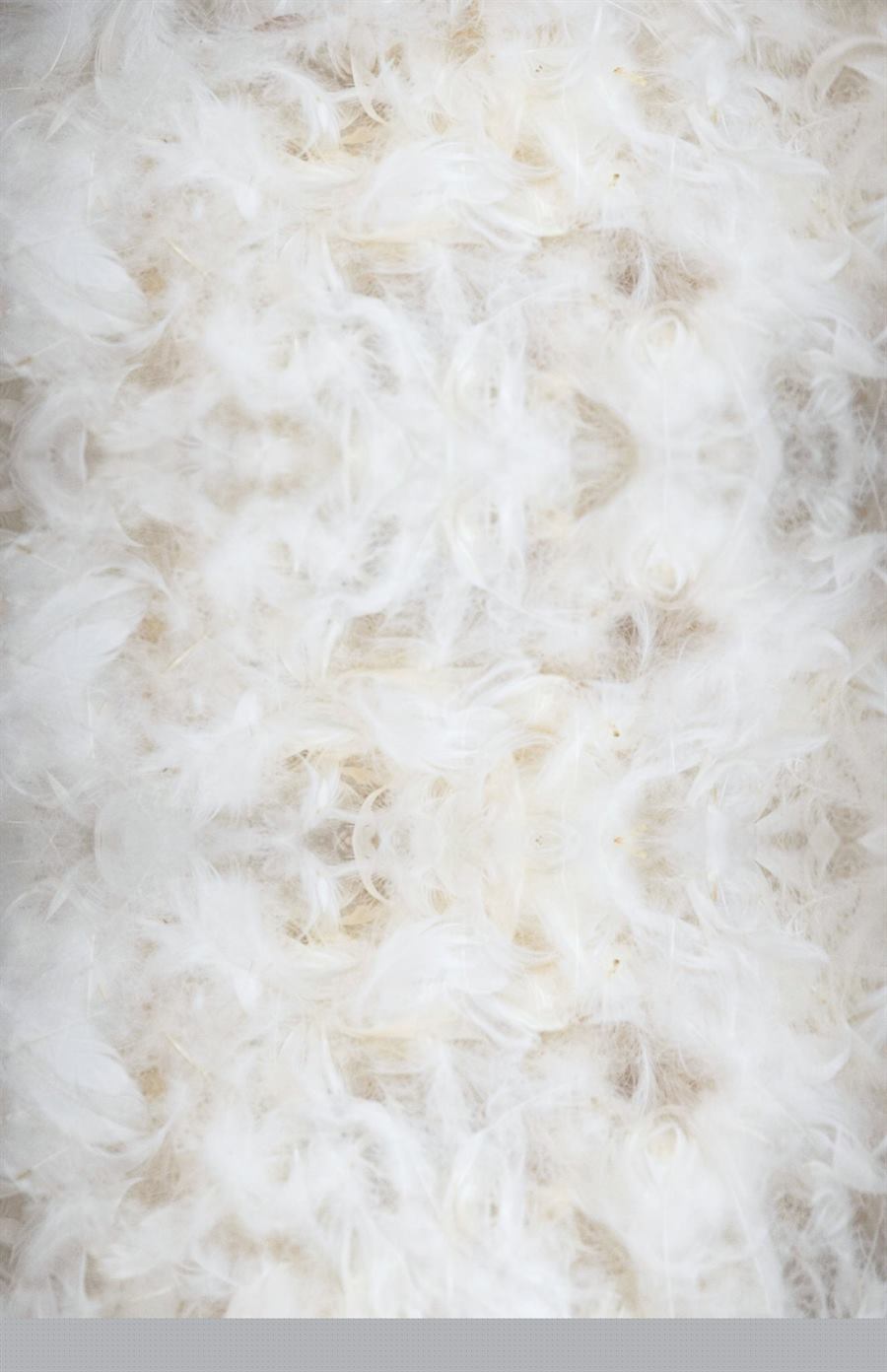
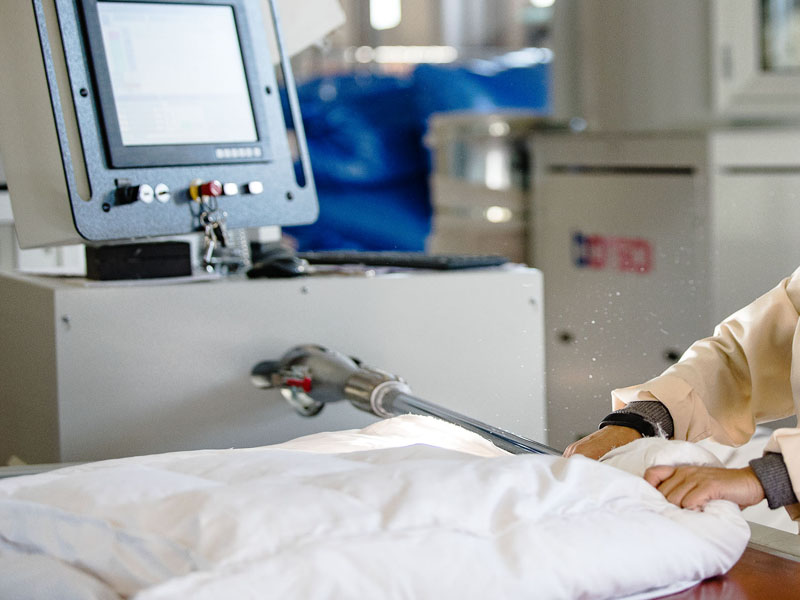
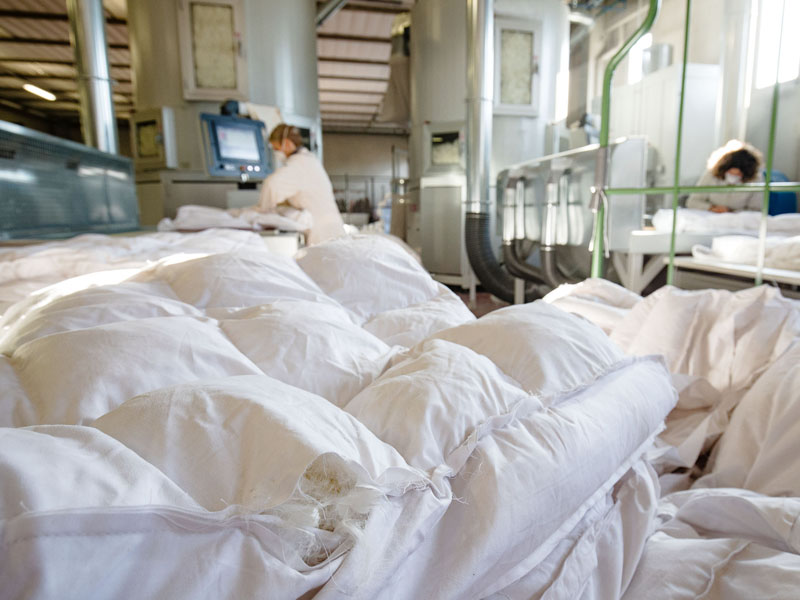
The feather is measured out and blown into the inner chambers, in the quantity required by the model.
- Controlled dosing
- Even filling
- Technologically advanced machinery
Manufacturing
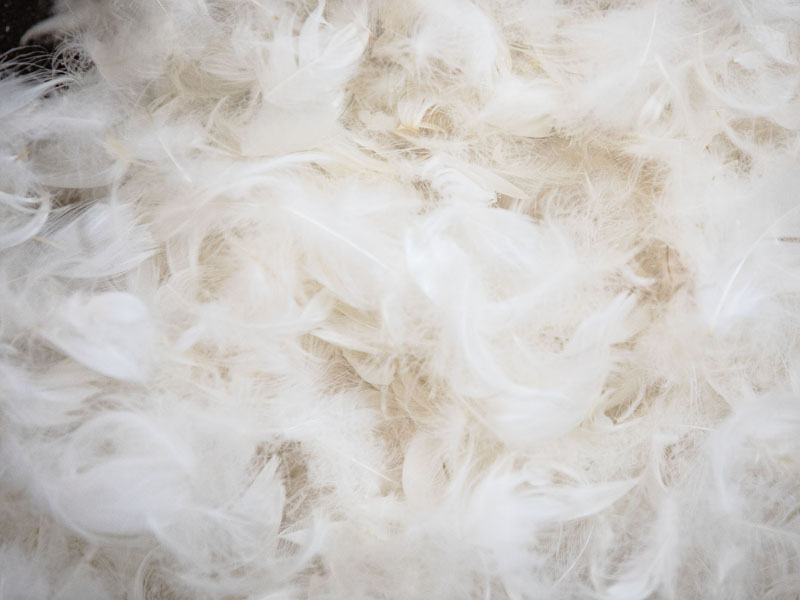
A natural feel, lightness and unrivalled comfort: feather, carefully selected and processed, for enveloping cushions that last over time.
The value
It is sometimes hard to justify the price difference between products that look alike. In feather upholstery the reasons are not just the brand or the designer: there are objective factors.
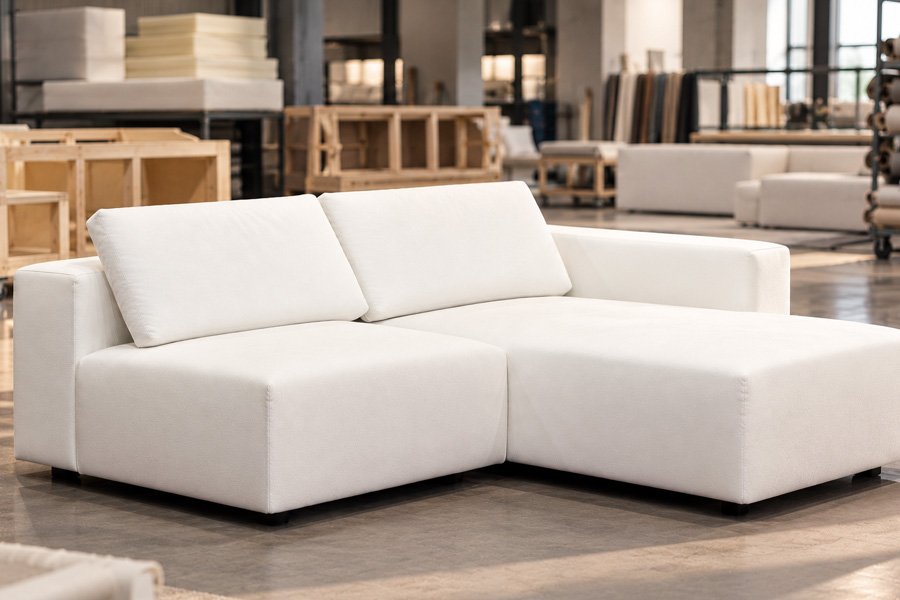
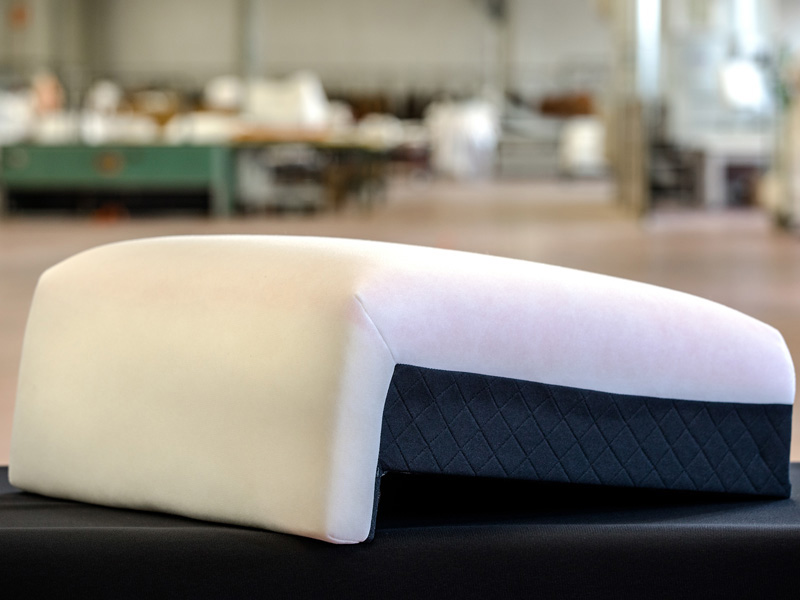
Cushions are the part of the sofa that draws the most attention. At first glance, a “quality” cushion and an “ordinary” one may look identical: the difference lies in the materials they are made of, the inner casing fabric and, above all, the padding.
The process
The feather is measured out and blown into the inner chambers, in the quantity required by the model.
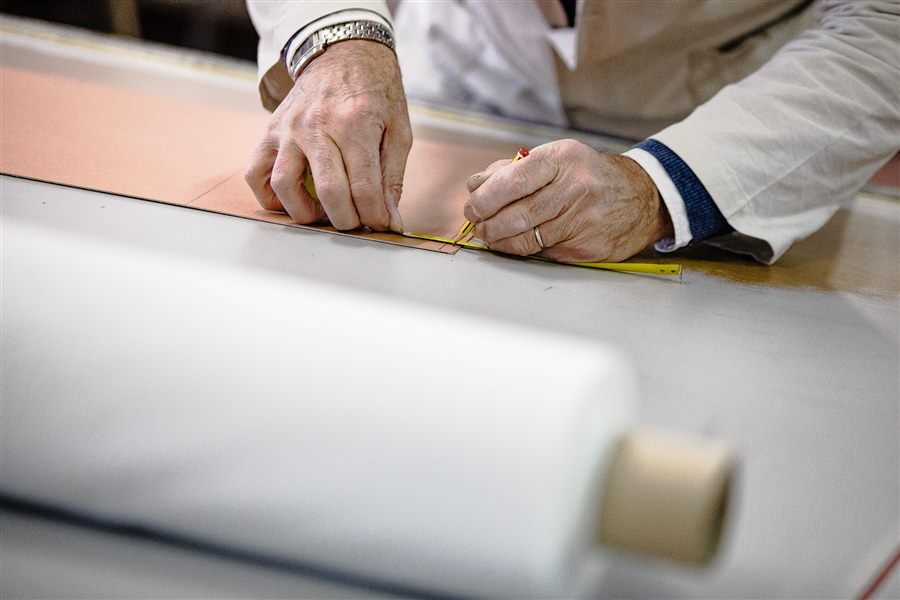
The cushions are closed, checked and prepared for the final covering, ready for the customer's production.
What makes the difference
The padding has a decisive impact on the value of a cushion. Here is what to look for to recognise a quality product.
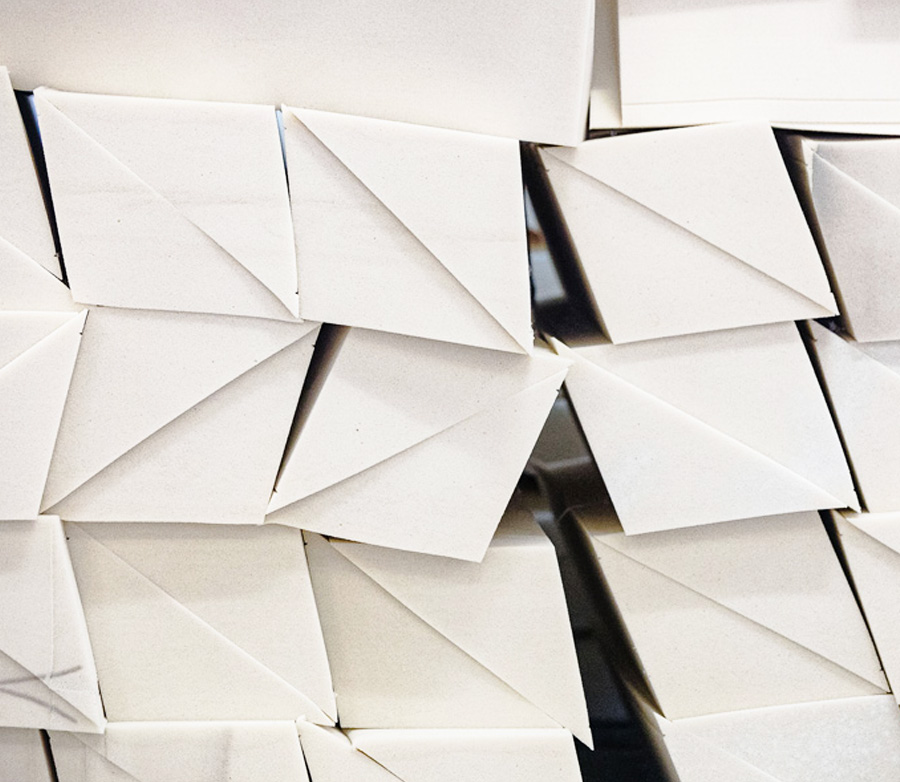
The casing that holds the padding is the first mark of quality, even though it cannot be seen.
Feather and down are natural materials, biodegradable and recyclable. Polyester fibre flocks are a valid alternative: hypoallergenic, recyclable and recycled.
Natural and synthetic are often combined: their balance defines comfort and cost.
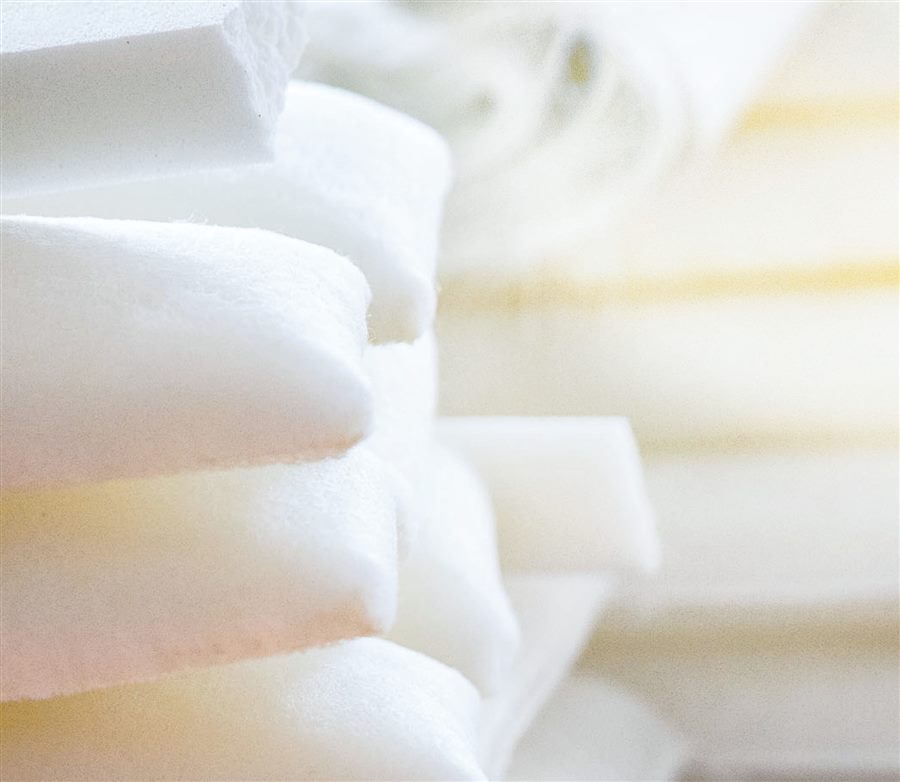
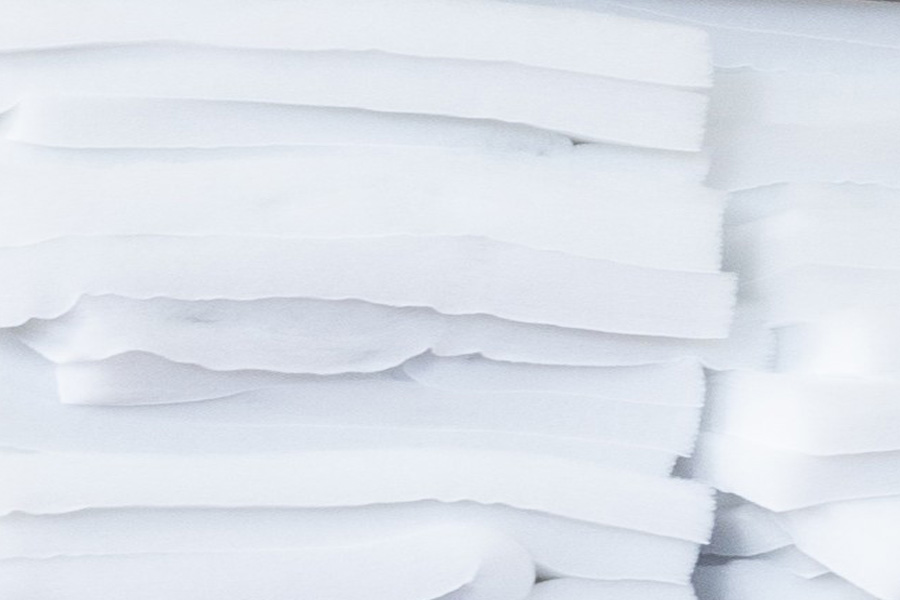
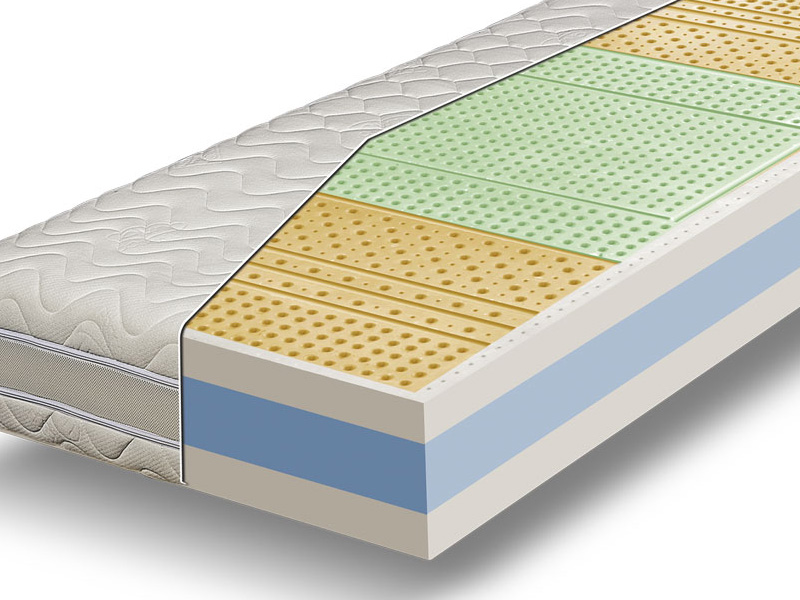
In the seat, several layers of polyurethane with different density and load-bearing capacity are used.
From the blog
Natural feel and lightness on one side, stability and easy maintenance on the other: a quick guide to the two fillings.
Read the articleDensity is often treated as a synonym for quality, but how comfortable a seat feels depends on how density and load-bearing capacity work together.
Read the articleFrequently asked questions
Because the padding has a decisive impact on the value of the cushion, and natural materials such as feather and down are more valuable than synthetic materials.
At first glance they may look the same. The difference lies in the materials they are made of: the inner casing fabric and the padding, whether natural, synthetic or blended.
Yes. Feather and synthetic materials, such as polyurethane or polyester fibre, are often used together, blended or in layers, to balance comfort, shape retention and cost.
Preferably high density and low load-bearing capacity, for high-quality, long-lasting comfort. In seats it is best to layer different load-bearing capacities: firmer underneath, softer on top.
Your project
Tell us about the model and the comfort you are looking for: together we will define the most suitable filling, blend and layering. Request information or a quote.
Let's talk about your project